

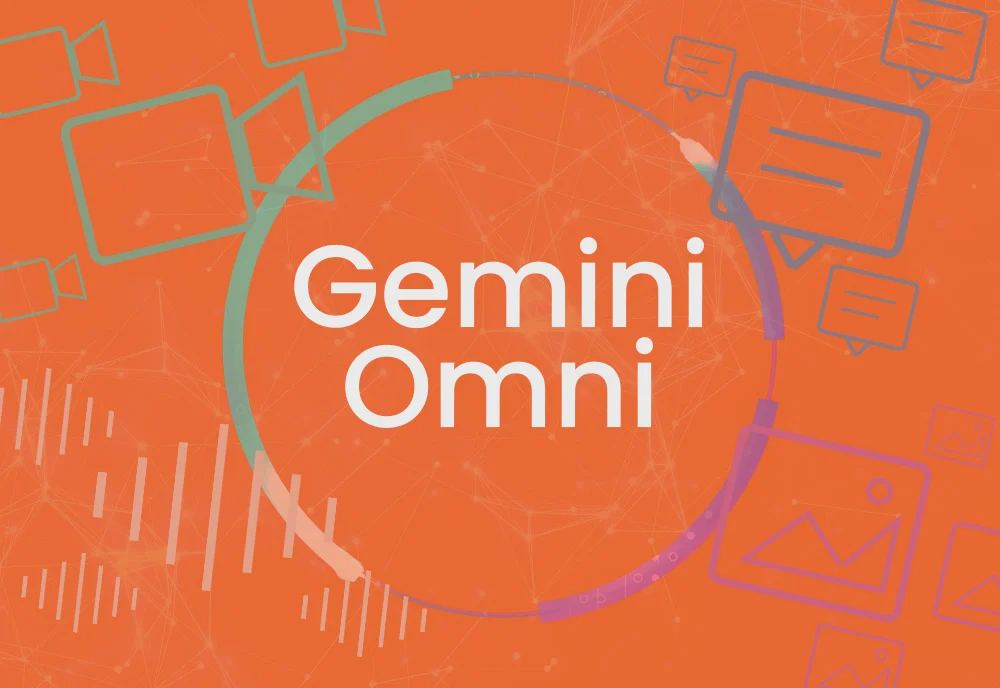

The first release, Gemini Omni Flash, claims to have an “intuitive understanding” of real-world science, history and logic. Features include syncing motion and text to audio, transforming drawings into video and maintaining visual consistency across scenes and characters. Users can also create their own AI avatars, and once created, the user’s digital twin can be used to generate content on demand.
For marketers, this could significantly speed up content production. Social campaigns, video ads and short-form content can be created faster and with less production barriers. Google is also planning to integrate the technology into platforms like YouTube Shorts to speed up the process even further.
To maintain authenticity, Google will be using SynthID watermarking technology to help identify AI-generated media and improve transparency as well protecting users privacy.
In our opinion, tools like Gemini Omni won’t replace marketers or creative teams overnight, but they will fundamentally reshape how content is produced. Traditional video production can require substantial investment in equipment, locations, crew and editing, whereas AI-generated content has the potential to reduce those barriers significantly.
One thing is clear, AI is rapidly changing from just a productivity tool into a full creative partner, with Gemini Omni being one of the biggest steps in that direction so far. Marketers who understand how to use these tools strategically, and with retaining the human creativity that audiences value, will be able to produce more impactful content whilst staying ahead of the competition.
Information sourced: Google DeepMind.