

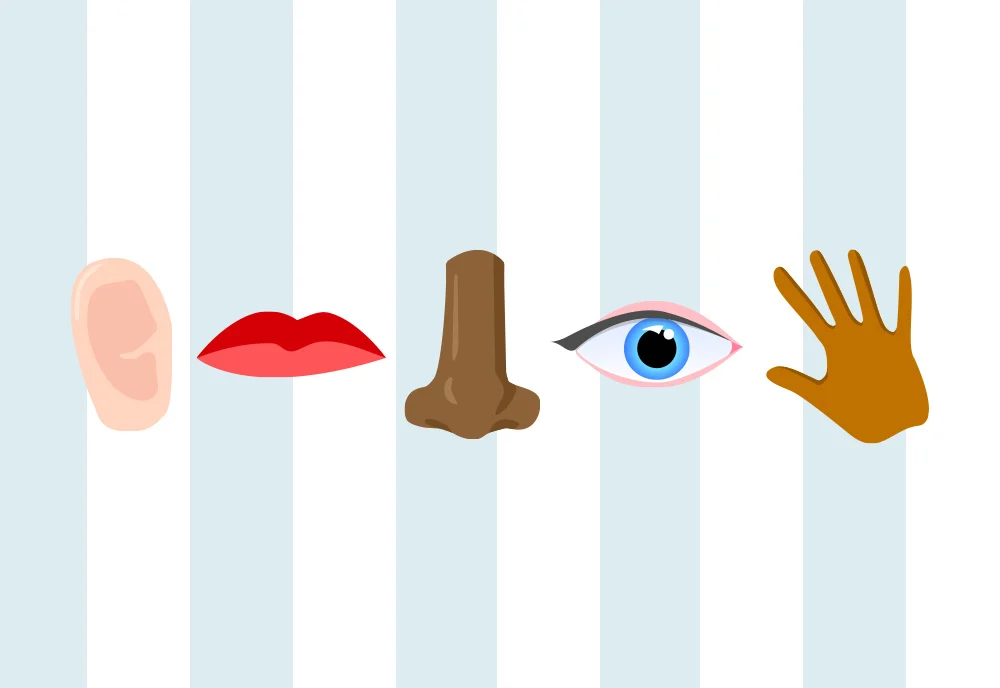

Have you ever caught a familiar scent or heard a particular sound that instantly took you back to a specific moment or place? Our senses have a powerful ability to trigger emotions and memories, making them an effective tool for brands. Whether this is using images of indulgent desserts to visually suggest the scent of a skincare product or incorporating a physical scent into a billboard to entice customers; sensory marketing strengthens our memory and connotations of a brand and ultimately our emotional connection with them too.
Why does Sensory Marketing work?
According to Forbes, the success of this strategy is a result of how “sensory cues” can “bypass rational thought and go straight to emotional memory. They trigger familiarity, trust and desire.” In doing so, these senses nudge both conscious and subconscious processes, influencing strong emotional connections and delivering memorable experiences.
It is also a great way to ensure consumers get a better understanding of what to expect from products before they try them. Brands can communicate what a product is likely to taste like, smell like, or feel like; reducing uncertainty and increasing confidence in purchase decisions.
The Five Senses in Marketing
Taste

Ikea x Chupa Chups
🔗 https://www.instagram.com/p/DWlP1-bDZaC/?utm_source=ig_web_copy_link&igsh=MzRlODBiNWFlZA==
IKEA, known for their infamous Swedish meatballs, took this to a new level in an unexpected collaboration, releasing a Chupa Chups Meatball lollipop. First as a smart April Fools joke, it sparked conversation and led to them manufacturing a real product for curious customers to try. Whether the idea sounds appealing or not, it encourages consumers to imagine the flavour, bringing the familiar taste of IKEA’s meatballs to mind. It can transport customers back to the store and their memories of enjoying a meal after shopping. By tapping into taste and nostalgia, the collaboration creates a memorable brand experience that extends far beyond the store, generating conversation and reinforcing IKEA’s unique identity.
Smell

“Smells like McDonald’s”
🔗 https://www.youtube.com/watch?v=UKBw1W1yXZc
In 2024, McDonald’s Netherlands took sensory marketing beyond the restaurant by launching a scented billboard that challenged passers-by to guess what they were smelling. Leaving the billboard blank, but filled inside with fresh fries, it didn’t take long for people to draw conclusions to McDonalds. This is a great example of a brand taking advantage of their own iconic scent to induce cravings for their product.
Sight

rhode
🔗https://www.instagram.com/p/DSNhA9zFGqD/?utm_source=ig_web_copy_link&igsh=MzRlODBiNWFlZA==
rhode frequently uses food imagery to help communicate the sensory qualities of its products. The simple addition of a doughnut or tiramisu beside their product can emote smells, flavours and memories for a consumer and instantly get an idea of what the product might look or taste like from sight alone. By pairing beauty products with recognisable foods, rhode creates an immediate visual cue that makes each product feel more tangible, memorable, and appealing.
Touch

Tower 28 “SOS Spray” Billboard
🔗https://www.tiktok.com/@tower28beauty/photo/7653167692781800717?is_from_webapp=1&sender_device=pc
In New York, Tower 28 transformed a traditional billboard into an interactive brand experience with a giant button labelled “Press Here to Be Spritzed”. Curious passers-by who pressed the button were rewarded with a mist of the brand’s SOS Daily Rescue Facial Spray, giving them the chance to experience the product firsthand.
It’s a clever example of how outdoor advertising can encourage real-world interaction, turning a simple billboard into a memorable experience. Not only does it invite audiences to engage with the brand, but it also lets potential customers try the product while creating plenty of buzz and conversation both on the street and online.
Sound
Netflix “Ta Dum”
🔗https://youtu.be/GV3HUDMQ-F8?si=RY9xK58mPsOtd7Qf
Netflix’s iconic opening sound has become one of the most recognisable examples of audio branding. With each open of the app we are reminded of the specific chime that plays out. Over time, that sound has become so closely associated with Netflix that many people can identify the brand instantly. It’s a fantastic example of how sound can be an integral part of your branding.
Sensory Marketing in the Digital Age
Looking ahead, digital-first sensory experiences are set to play an even greater role in marketing. As more interactions take place online, brands will increasingly rely on visual and audio elements to capture attention and create memorable experiences. With evolving technologies such as augmented reality (AR), virtual reality (VR) and AI, brands will have increasing opportunity to create these digital sensory experiences and engage consumers in new and innovative ways.